
“We never set out to be pioneers, but we hope we've shown other people in the LGBTQ+ community that this is achievable,” say Emily Patrick and Kerry Osborn, known online as @twomumstwobuns. In a historic first for the UK, the couple became the first to give birth to sons Ezra and Elvis, each other's biological babies, just weeks apart through a simultaneous reciprocal IVF procedure. Their family is a testament to creativity, commitment, and evolving possibilities.
For same-sex couples, trans and non-binary individuals, and single LGBTQIA+ people with a womb, the path to parenthood via assisted reproduction in the UK is rarely straightforward. It intertwines medicine, law, finances, and emotion, with each cycle testing not just biology, but resilience, hope, and, at times, heartbreak. Advances in reproductive medicine, combined with growing recognition of queer families under UK law, mean that more LGBTQIA+ people can now pursue parenthood on their own terms.
Reciprocal IVF: Sharing Parenthood

Reciprocal IVF in the UK offers lesbian couples, as well as AFAB trans and non-binary individuals in relationships, a meaningful path to parenthood. One partner provides the eggs while the other carries the pregnancy, allowing both to actively contribute to family creation. Licensed UK clinics, regulated by the Human Fertilisation and Embryology Authority (HFEA), offer these services, with success rates generally comparable to those of heterosexual couples. In 2023, the average pregnancy rate per embryo transferred was 31%, with the highest rates among patients aged 18 to 34 at 41% (HFEA).
Gaia Family reports that some clinics achieve success rates over 80% for women under 35, and better than 45% for women of all ages.
Eden and Jay Treviño, a queer Latina couple, have been at the forefront of sharing their IVF journey. They co-founded Preciosa Night, a queer Latinx dance party, and have documented their fertility experiences on TikTok and Instagram. Their journey began with Jay's IVF cycle, which was unsuccessful, followed by a successful cycle with Eden. They openly share the emotional and financial aspects of their journey, providing support and inspiration to others in similar situations.
Understanding IUI: A First Step in Family Building
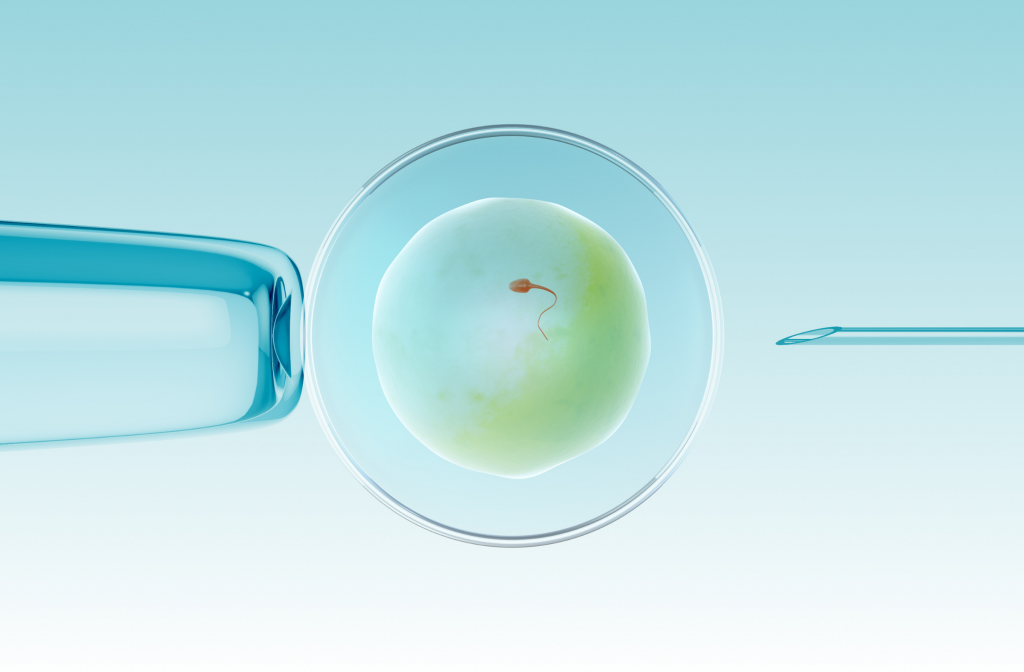
Intrauterine insemination (IUI) is a fertility treatment that places sperm directly into the uterus during ovulation, improving the chances of conception. Compared to IVF, IUI is less invasive, involves fewer medications, and does not require egg retrieval. Its success rates per cycle are generally lower than IVF.
Many LGBTQIA+ individuals and couples begin their fertility journey with IUI. Success rates vary depending on age, ovarian reserve, and reproductive health.
UK-based influencers Rose and Rosie have shared their experiences navigating IUI, including the financial strain. As Rose explains, “Each insemination cost around £1,000, and it quickly adds up when multiple rounds are needed.” Similarly, Claudia and Jessie, documenting their journey on Instagram @jessieandclaud, emphasise both the emotional and financial impacts of treatment. As a mixed-heritage and disabled lesbian couple, they share their experience raising a preschooler and newborn twins, providing insights into the joys and challenges of LGBTQ+ parenthood while advocating for inclusivity in fertility treatments.
The Financial Challenge of Fertility Treatments

IVF costs in the UK can be prohibitive. Private IVF cycles typically cost £4,550–£5,500 per cycle, excluding donor fees, medications, and legal advice. Access to NHS-funded treatment varies by region, creating a “postcode lottery,” meaning some same-sex couples or single individuals must self-fund multiple insemination rounds before qualifying for IVF.
Stonewall and BPAS describe this inequity as a pressing social justice issue. Whitney and Megan Bacon-Evans, known online as 'Wegan', are a married lesbian couple and social media influencers who campaigned for fertility equality. In 2021, they challenged NHS Frimley ICB’s policy that required same-sex female couples to self-fund 12 rounds of artificial insemination before qualifying for NHS-funded IVF, while heterosexual couples only needed to demonstrate two years of trying to conceive. Their advocacy led to a policy change, ensuring same-sex couples have equal access to NHS fertility treatment.
Navigating Legal and Administrative Challenges

Legal guidance is crucial for LGBTQIA+ families pursuing assisted reproduction. Same-sex female couples using licensed clinics can often have both parents on the birth certificate (GOV.UK), but trans and non-binary parents may face administrative hurdles if legal gender records do not match clinic documentation. Single parents are generally recognised from birth, though consent and parental responsibility issues can still arise.
Francesca Farago and her fiancé Jesse Sullivan, a transgender man and TikTok influencer, have openly shared their IVF journey. The couple’s transparency highlights the importance of understanding legal processes and the emotional complexities involved. As Sullivan notes, “Navigating the legal landscape was challenging, but sharing our story has helped others feel less alone.” Many couples navigating these challenges, including Francesca and Jesse and Whitney and Megan, draw support from organisations such as Family Rights Group and Stonewall, which provide guidance on parental responsibility, donor agreements, and IVF consent forms.
Emotional Resilience and Support Networks

The physical demands of IVF and IUI, including hormone stimulation, egg retrieval, fertilisation, embryo culture, and transfer, are often repeated across multiple cycles. Emotional strain is compounded by social judgement, legal uncertainties, and difficult decisions about donors and disclosure.
Community connections provide vital guidance and emotional support. Eden and Jay, Malorie and Holli (Gay Parents To Be), Rose and Rosie, Francesca and Jesse, Claudia and Jessie, and Whitney and Megan illustrate both highs and lows, showing how peer networks help families navigate challenges.
Emotional resilience involves more than enduring medical procedures. It also includes cultivating hope, maintaining mental health, and connecting with those who understand the unique challenges of LGBTQIA+ parenthood. Online forums, social media communities, and local LGBTQIA+ parenting groups offer spaces for guidance, support, and advocacy.
Looking Ahead: Innovation and Equity

LGBTQ+ fertility in the UK continues to evolve, offering greater options and accessibility. Technologies such as egg freezing, artificial gametes, and improved IVF protocols expand opportunities for people with diverse family structures.
Policy changes in the NHS and ongoing advocacy aim to make fertility treatments more equitable. Campaigns by Stonewall, BPAS, and Family Rights Group stress the importance of consistent access to reproductive care, regardless of sexual orientation, gender identity, or location.
Families who have shared their journeys, including Eden and Jay, Malorie and Holli, Rose and Rosie, Francesca and Jesse, Claudia and Jessie, and Whitney and Megan, play a crucial role in shaping public understanding, advocating for legal reform, and challenging systemic inequities. For LGBTQIA+ people, IVF and IUI are not merely medical procedures, they are acts of resilience, self-determination, and advocacy for equality. With supportive communities, informed legal frameworks, and continued innovation, queer families are increasingly empowered to pursue parenthood with dignity, hope, and confidence.